


Rotary Vane Actuator Sealing Technology and Leakage Prevention
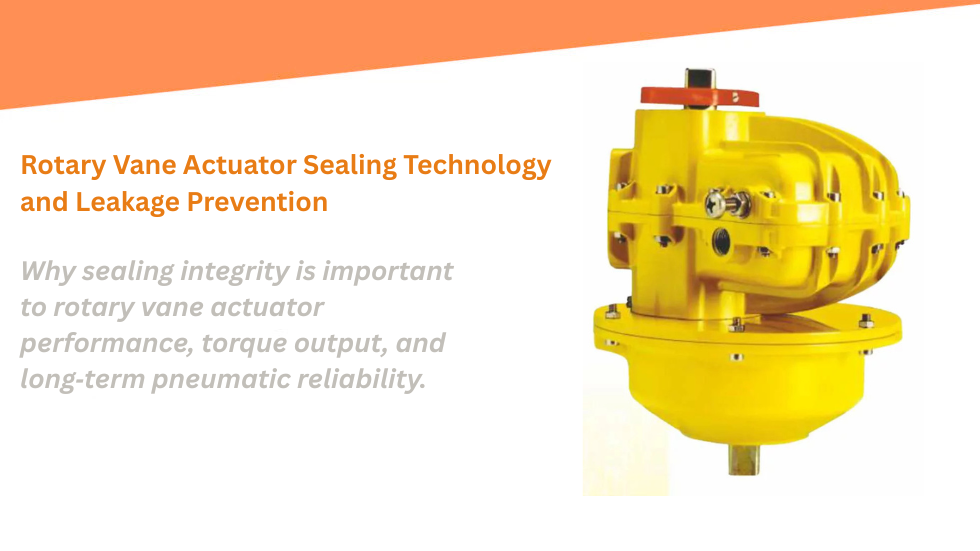
A rotary vane actuator can be used in automation, material handling, packaging, and industrial motion systems because it delivers smooth, controlled rotary motion in a compact footprint. As a subset of pneumatic actuators, they convert compressed air into precise rotational force using a sealed internal chamber and a rotating vane. But the performance of any rotary vane actuator ultimately depends on one identifying factor: the integrity of its sealing system.
A well designed seal prevents internal air leakage, maintains torque output, and ensures long term reliability. A poorly performing seal, on the other hand, leads to torque loss, erratic motion, increased air consumption, and premature actuator failure. An understanding of sealing technology is needed for engineers specifying or maintaining rotary vane actuators.
How Sealing Works Inside a Rotary Vane Actuator
Inside a rotary vane actuator, a central rotor with one or more vanes divides the internal housing into separate pressure chambers. When compressed air enters one chamber, it forces the vane to rotate, producing torque. The vane edges and housing walls must be tightly sealed to prevent air from bypassing the pressure zones.
Modern rotary vane actuators rely on:
- Elastomeric seals (NBR, Viton, EPDM)
- PTFE or filled PTFE seals for low friction
- Precision machined sealing surfaces
- Lubricated or self lubricating materials
These seals maintain the pressure differential that makes rotary motion possible. Without them, the actuator behaves more like a leaky air motor than a precision motion device.
Common Causes of Leakage in a Rotary Vane Actuator
 Leakage is the most common performance issue in pneumatic rotary vane actuators. It typically results from:
- Seal wear or abrasion due to high cycle counts
- Dry air supply that removes lubrication from seals
- Contaminants (dust, oil, moisture) damaging sealing surfaces
- Improper air filtration leading to particulate scoring
- Thermal cycling causing seal shrinkage or hardening
- Incorrect installation or misalignment of the actuator
Even small leaks can reduce torque output significantly, especially in low pressure systems.
Sealing Technologies Used in a Modern Rotary Vane Actuator
Today’s rotary vane actuators use advanced sealing technologies to improve efficiency and extend service life:
1. PTFE Lip Seals
- Low friction
- Excellent wear resistance
- Perfect for high cycle pneumatic applications
2. Elastomeric O Ring Seals
- Common in general purpose actuators
- Good for moderate pressures and temperatures
3. U Cup Seals
- Provide strong sealing under pressure
- Self energizing design improves performance as pressure increases
4. Composite Seals
- Combine elastomers with PTFE or nylon
- Used in high precision or high torque rotary vane actuators
5. Molded Vane Seals
- Integrated into the vane itself
- Reduce assembly complexity and improve reliability
Rotary Vane Actuator Leakage Prevention Strategies
Preventing leakage is far easier than repairing it. Engineers can extend actuator life by following these best practices:
Use Proper Air Filtration
Compressed air should be clean, dry, and filtered to 5 microns or better. Contaminants are the #1 cause of seal wear.
Maintain Correct Lubrication
Some rotary vane actuators are designed for lubricated air, while others are lube free. Using the wrong air supply can degrade seals.
Avoid Over Pressurization
Exceeding rated pressure can deform seals and damage the housing.
Monitor Cycle Rates
High speed cycling increases frictional heat and accelerates seal wear.
Inspect Seals During Maintenance
Look for:
- Hardening
- Cracking
- Flattening
- Surface scoring
Replacing seals early prevents torque loss and air waste.
Rotary Vane Actuator vs. Other Pneumatic Actuators
While rotary vane actuators are a type of pneumatic actuator, they differ from rack and pinion or scotch yoke designs in several ways:
Advantages
- Smooth, continuous rotation
- Compact, low profile design
- Fewer moving parts
- Excellent repeatability
- Minimal backlash
Limitations
- Lower maximum torque compared to rack and pinion
- Seal wear is a primary maintenance concern
- Not as effective for dirty or unfiltered air systems
For applications requiring precise, repeatable rotation, such as indexing, clamping, or valve actuation, rotary vane actuators remain one of the most efficient pneumatic solutions available.
Applications That Benefit Most from High Quality Sealing
 Rotary vane actuators with advanced sealing systems excel in:
- Packaging machinery
- Material handling systems
- Automated assembly lines
- Valve actuation
- Robotics end effectors
- Conveyor diverters
- Pharmaceutical and food grade automation
In these environments, even minor leakage can disrupt timing, reduce torque, or cause inconsistent motion, making sealing performance mission critical.
Is a Rotary Vane Actuator Right for You?
Rotary vane actuators remain one of the most reliable and efficient forms of pneumatic actuation, but only when their sealing systems are properly engineered and maintained. By understanding sealing technologies, recognizing early signs of leakage, and following best practices for air quality and maintenance, engineers can dramatically extend actuator life and ensure consistent, high precision performance.
If you’re evaluating rotary vane actuators for a new system or troubleshooting performance issues in an existing pneumatic setup, now is the perfect time to upgrade your approach to sealing reliability. Our engineering team can help you identify the right actuator design, sealing technology, and maintenance strategy to maximize torque output and eliminate leakage concerns. Contact us today to discuss your application and get expert guidance tailored to your exact operating conditions.