


Conveyor Belt Fabrication, Vulcanizers, Lacers & More
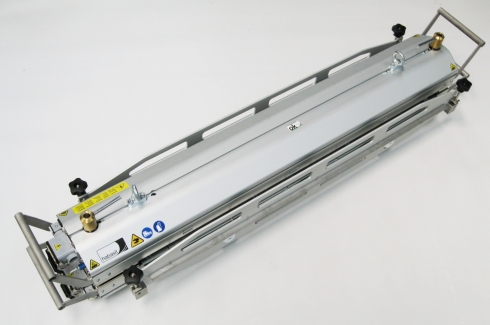
We can provide you with state-of-the-art equipment to allow you to do some of your own belt conveyor belt fabrication as well as the supplies such as lacing and cement you may need. We can also rent out equipment if desired. We are also certified to ship out adhesives and cements so you can be assured that you will receive them safely. Here is just a glimpse of what we can offer:
- Cement: We offer a wide selection of all-purpose, two-component cold-bonding liquid cement products that are ideally suited for applications such as bonding repair strips and patches, as well as splicing conveyor belts.
- Adhesives: Choose from a wide assortment of adhesives that can be used for joining and fabrication of various types of conveyor and power transmission belting.
- Vulcanizers: Conveyor belt vulcanizers will increase the resistance, strength and elasticity of rubber belt components. Our selection of vulcanizing equipment will create a smooth splice that reduces the risk of tearing, snagging and other processes that could lead to premature belt wear. Products are available for both hot and cold vulcanization applications.
- Belt Cutters: We feature a wide assortment of tools that can provide safe, efficient cutting of all types of belting materials, from soft rubber to hard fabric-plied and woven PVC belting.
- Conveyor Belt Lacers and Lacing: SEMCOR is your one-stop source for conveyor belt lacing that enables the belt ends to be connected and disconnected as needed, offering a more flexible alternative to permanently spliced belting. We feature the revolutionary Alligator conveyor belt lacing system from Flexco that is perfect for all types of conveyor and transmission belts as well as sanitary applications.
Conveyor Belt Fabrication Equipment and Maintenance Solutions
Effective conveyor belt maintenance depends on having the right fabrication tools, repair materials, and installation equipment available when needed. Whether performing routine belt maintenance, emergency repairs, or full belt splicing projects, proper fabrication equipment helps support conveyor reliability and reduce unplanned downtime.
Facilities that maintain conveyor systems in-house often rely on specialized tools and supplies to complete belt modifications, repairs, and installations safely and efficiently. From belt preparation through final splice completion, each step requires equipment designed specifically for conveyor belt applications.
Industries That Utilize Conveyor Belt Fabrication Equipment
Conveyor belt fabrication products support a wide range of industries that rely on material handling systems.
Common applications include:
- Manufacturing facilities
- Aggregate operations
- Mining operations
- Food processing plants
- Distribution centers
- Packaging facilities
- Agricultural processing
- Recycling operations
- Warehousing environments
- Bulk material handling systems
These industries often require ongoing access to fabrication tools and repair materials to support conveyor uptime.
Benefits Of Proper Conveyor Belt Fabrication Practices
Using purpose-built fabrication equipment helps improve repair quality and consistency while supporting safe installation procedures.
Advantages may include:
- Reduced conveyor downtime
- Improved splice performance
- More efficient repairs
- Consistent fabrication results
- Enhanced belt service life
- Simplified maintenance procedures
- Improved workplace safety
- Better system reliability
Selecting the proper repair method and fabrication equipment can have a significant impact on overall conveyor performance.
Conveyor Belt Fabrication Frequently Asked Questions
What Is Conveyor Belt Fabrication?
Conveyor belt fabrication involves cutting, joining, modifying, repairing, and preparing conveyor belts for installation or maintenance within a conveyor system.
When Is Conveyor Belt Vulcanization Used?
Vulcanization is commonly used when creating a permanent belt splice by bonding belt materials together through either hot or cold vulcanization methods.
What Is Conveyor Belt Lacing?
Conveyor belt lacing is a mechanical fastening method that joins two belt ends together, allowing belts to be connected and removed when maintenance or replacement is required.
Why Are Conveyor Belt Adhesives Important?
Adhesives and cements are used for belt repairs, cover patching, splice preparation, and various fabrication procedures that require secure material bonding.
Contact Us
Contact SEMCOR today to learn more about our conveyor belt fabrication equipment and supplies, and how they can help you with your belt fabrication and repair needs.