


What Engineers Need to Know About Actuator Valve Response Time
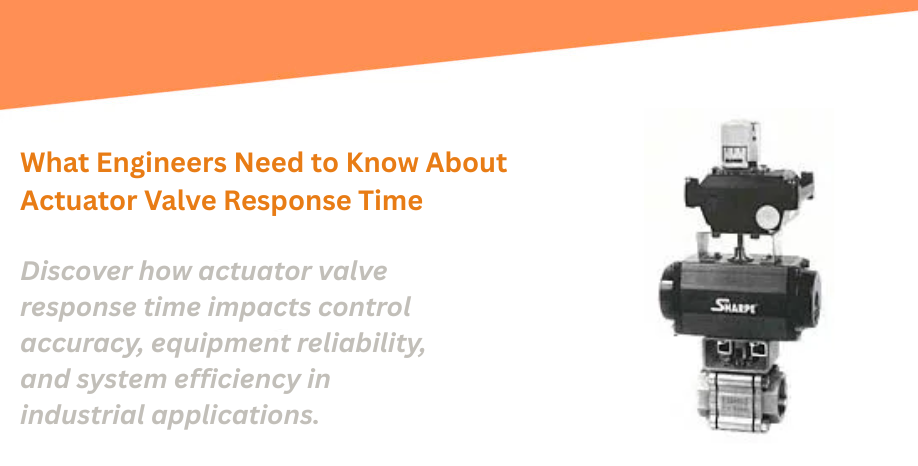
Actuator valve response time plays a defining role in how fluid handling and process control systems behave under real operating conditions. Whether the application involves steam distribution, chemical batching, compressed air, or high purity water, the speed at which a valve moves from one position to another directly affects stability, accuracy, and overall system efficiency. For engineers responsible for specifying, tuning, or maintaining automated valves, understanding the factors that influence response time is essential for achieving predictable performance.
Why Response Time Matters in Modern Process Control
Response time determines how quickly a valve can react to a command signal, whether that signal comes from a PLC, DCS, or local controller. In fast acting systems such as high cycle packaging lines, burner management systems, or pressure control loops, even small delays can introduce oscillation, overshoot, or inconsistent flow. Slow response can also reduce throughput, increase energy consumption, and cause premature wear on pumps, compressors, and downstream equipment. In applications involving safety interlocks or emergency shutdowns, response time becomes a core performance requirement rather than a convenience.
Key Factors That Influence Actuator Valve Response Time
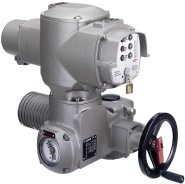 Several mechanical, electrical, and pneumatic variables determine how quickly an actuator can reposition the valve element:
- Actuator Type — Pneumatic actuators typically offer faster stroke speeds than electric actuators, while hydraulic actuators excel in high force applications where rapid movement under load is required.
- Valve Size and Trim Design — Larger valves with heavier internal components require more force and time to reposition, especially in high pressure systems.
- Air Supply Quality (for Pneumatic Actuators) — Line pressure, regulator performance, tubing length, and flow restrictions all affect stroke speed.
- Control Signal and Positioner Dynamics — Smart positioners with optimized tuning can significantly reduce dead time and improve step response.
- Friction and Mechanical Resistance — Stem packing, bearing condition, and valve body geometry influence how easily the valve can move through its stroke.
- Load Conditions — Differential pressure across the valve can either assist or resist movement, altering response time under varying process conditions.
Knowing these variables helps engineers select actuators that match the dynamic requirements of their control loops.
How Response Time Affects Control Loop Performance
In closed loop control, the actuator valve is part of a larger system that includes sensors, controllers, and process dynamics. A slow or inconsistent response time can:
- Increase loop oscillation
- Reduce control accuracy
- Cause hunting or instability
- Delay setpoint achievement
- Increase wear on mechanical components
Fast, predictable response improves loop tuning, reduces variability, and supports tighter process control, especially in applications involving temperature regulation, pressure control, or flow modulation.
Measuring and Specifying Response Time
Engineers typically evaluate response time using metrics such as:
- Dead Time — The delay between command signal and initial movement
- Stroke Time — Time required to move from fully closed to fully open (or vice versa)
- Step Response — How quickly the valve reaches a new position after a step change
Manufacturers often publish nominal stroke times, but real world performance depends heavily on installation conditions. Field testing or commissioning phase verification is recommended for critical applications.
Improving Actuator Valve Response Time
 Several strategies can enhance response time without replacing the entire valve assembly:
- Upgrading to a high flow positioner or booster relay
- Increasing pneumatic supply pressure within allowable limits
- Reducing tubing length and eliminating flow restrictions
- Optimizing PID tuning parameters
- Using low friction packing or advanced stem coatings
- Selecting actuators with higher torque or thrust ratings
These adjustments help ensure that the valve responds consistently across its full operating range.
Final Considerations for Engineers
Actuator valve response is a system level performance characteristic influenced by mechanical design, control strategy, and process conditions. Engineers who understand these interactions can better match actuator technologies to application requirements, reduce variability, and improve overall system reliability.
Ready to improve system performance? Contact SEMCOR’s technical team for application specific actuator valve guidance and product recommendations.
How Valve Automation Improves Process Control in Modern Manufacturing
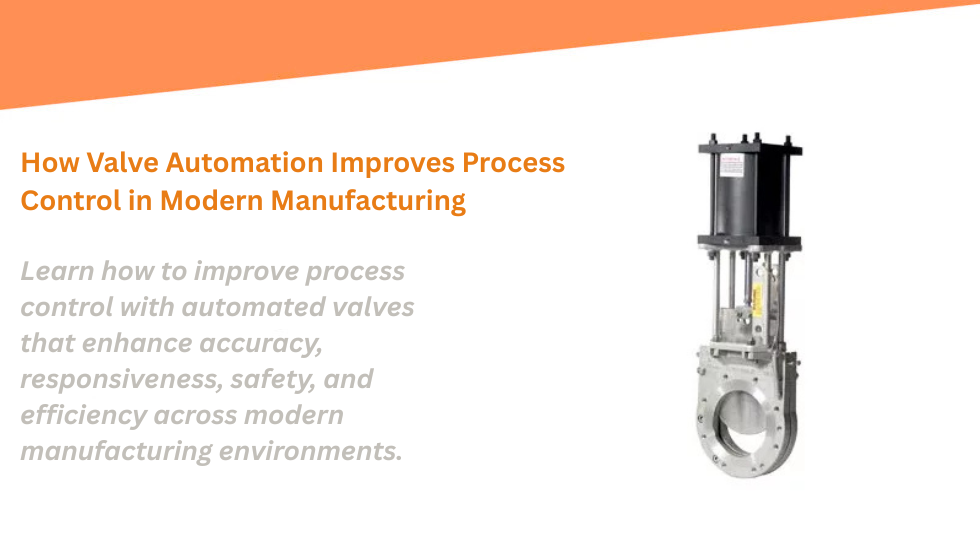
Modern manufacturing depends on precise, repeatable control of fluids, gases, and process media. As production lines become more connected and more data driven, manual valve operation simply cannot keep pace with the speed, accuracy, and consistency required. Valve automation has become a core element of advanced process control, enabling manufacturers to improve throughput, reduce variability, and maintain tighter control over quality.
Below is a detailed look at how automated valve systems support today’s manufacturing environments.
Consistent, Repeatable Flow Control Through Valve Automation
Automated valves eliminate the variability associated with manual operation. Actuators, positioners, and feedback devices ensure that each valve opens, closes, or modulates to the exact position required by the control system. This consistency is especially important in applications involving:
- Batch processing
- Chemical dosing
- Temperature and pressure regulation
- High purity or contamination sensitive environments
By removing operator dependent variation, manufacturers achieve more stable process conditions and more predictable output.
Faster Response to Process Changes
Modern production lines rely on real time adjustments to maintain efficiency. Automated valves respond immediately to signals from PLCs, DCS platforms, and sensor networks. This rapid response helps maintain steady operating conditions when:
- Flow demand changes
- Pressure spikes occur
- Temperature control loops adjust
- Equipment cycles shift
Faster reaction times reduce waste, prevent off spec product, and support continuous improvement initiatives.
Improved Safety and Reduced Manual Intervention
Automated valves reduce the need for workers to manually operate equipment in hazardous or hard to reach areas. This lowers exposure to:
- High temperatures
- High pressures
- Corrosive or toxic media
- Confined spaces
Automation also supports emergency shutdown (ESD) systems, ensuring valves move to a safe position instantly when triggered by alarms or interlocks.
Valve Automation Integration with Digital Monitoring and Diagnostics
Valve automation is a key component of Industry 4.0 strategies. Smart actuators and positioners provide continuous feedback on:
- Valve position
- Cycle counts
- Torque and load
- Seal wear
- Response time
This data allows maintenance teams to shift from reactive repairs to condition based planning. Early detection of performance changes helps prevent downtime and extends equipment life.
Enhanced Accuracy for High Precision Manufacturing
 Industries such as pharmaceuticals, food processing, electronics, and specialty chemicals require extremely tight control over process variables. Automated valves support:
- Fine modulation for micro flow adjustments
- Stable control in high purity systems
- Repeatable performance across long production runs
- Compliance with regulatory and quality standards
Accurate valve positioning directly improves product consistency and reduces the risk of batch failures.
Valve Automation Improves Scalability for Expanding Production Lines
As manufacturers add new equipment or increase capacity, automated valve systems can be integrated into existing control architectures. This scalability supports:
- Multi line production
- Modular skid systems
- Distributed control networks
- Remote monitoring and operation
Automation ensures that new process steps can be added without compromising overall system stability.
Automate Your Valves and Improve Manufacturing
Valve automation has become a foundational element of modern manufacturing. By improving accuracy, responsiveness, safety, and data visibility, automated valve systems help facilities operate more efficiently and with greater control over quality. As industries continue to adopt advanced automation and digital technologies, the role of automated valves will only grow.
If you’re exploring valve automation for a new system or looking to improve the performance of an existing line, our team can help you evaluate options and select the right solution for your application. Contact us today to discuss your project and get expert guidance on automated valve systems.